Updated 2026-11-10 · By the WattSourcing sourcing team · Figures from EVE Energy published specifications
- A 16S LiFePO4 pack is 51.2V nominal, with a working range of 40V to 58.4V at the cell limits of 2.5V and 3.65V.
- 16 × EVE LF280K gives about 14.3 kWh; 16 × MB31 gives about 16.1 kWh. Check the cell's current rating against the inverter first: the MB31 is limited to 0.5P, the LF280K allows 1P.
- Size the BMS for the inverter's maximum DC current, with low-temperature charge protection and CAN or RS485 communication matched to the inverter.
- Use cells from one lot, sorted by capacity and internal resistance, fixed in a rigid frame, and top-balance them before final assembly.
- A pack sold commercially needs its own UN38.3 test and usually IEC 62619 or UL 1973. Cell-level certificates do not cover the finished pack.
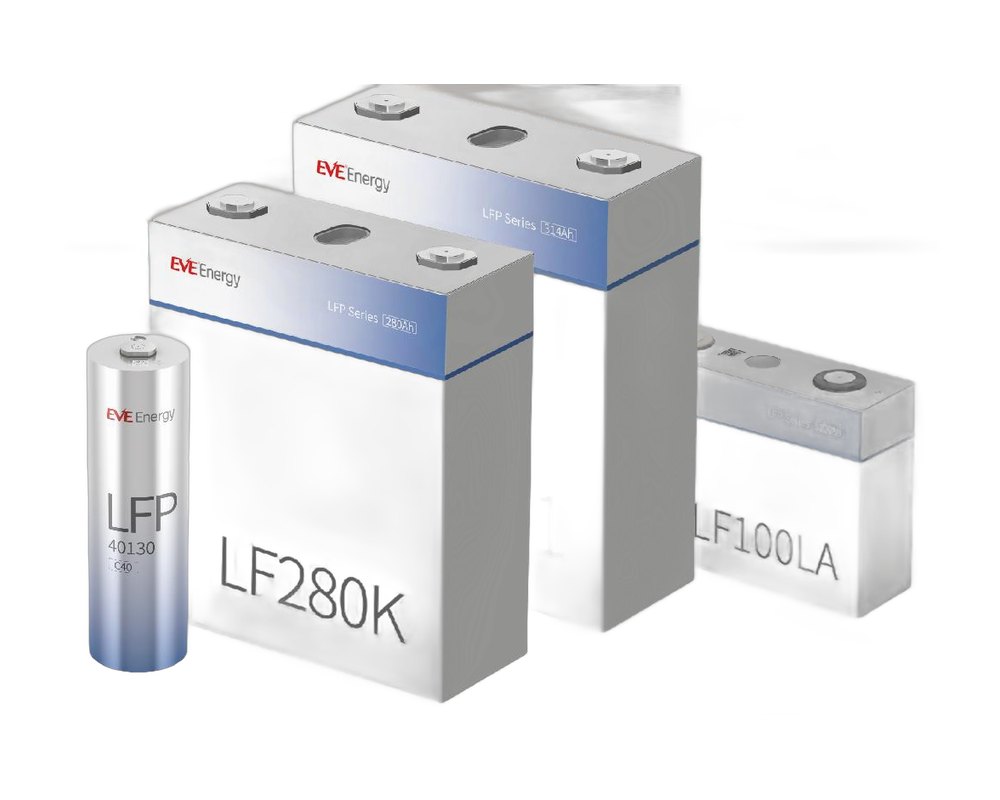
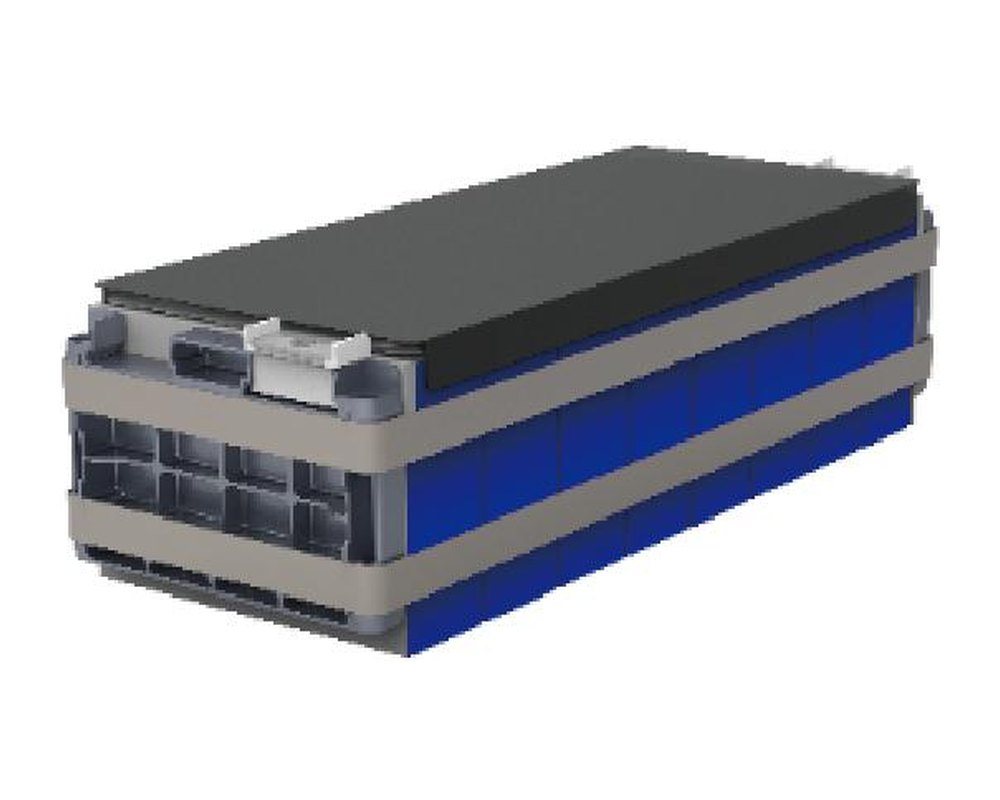
A 48V LiFePO4 battery built from sixteen large prismatic cells is the standard format for home solar storage, telecom backup, off-grid cabins and many small commercial systems. Pack assemblers, installers and brand owners build thousands of them from 280Ah and 314Ah cells. This guide walks through a 16S build step by step, from sizing to testing, using EVE Energy's LF280K and MB31 as the reference cells.
16S LiFePO4 basics: voltage and energy
A LiFePO4 cell has a nominal voltage of 3.2V, so sixteen in series (16S) give 51.2V. That is why "48V" lithium batteries are labelled 51.2V. EVE's datasheets give a cell voltage range of 2.5V to 3.65V, which sets the pack limits:
| Item | Per cell | 16S pack |
|---|---|---|
| Nominal voltage | 3.2 V | 51.2 V |
| Maximum charge voltage | 3.65 V | 58.4 V |
| Minimum discharge voltage | 2.5 V | 40.0 V |
Most designs keep some margin from both limits in normal operation. See the LiFePO4 charging guide for practical charge and cut-off settings.
Choose the cell: LF280K, MB31 or a smaller cell
| Cell | Capacity | 16S energy | Max. continuous rate | Max. current (approx.) |
|---|---|---|---|---|
| LF280K | 280 Ah | ≈ 14.3 kWh | 1P | ≈ 280 A |
| MB31 | 314 Ah | ≈ 16.1 kWh | 0.5P | ≈ 157 A |
| MB30 | 306 Ah | ≈ 15.7 kWh | 0.5P | ≈ 153 A |
| LF100LA | 102 Ah | ≈ 5.2 kWh | 1C | ≈ 100 A |
Current figures are approximate, converted from the cell's power rating at nominal voltage. Confirm them with the current datasheet. The 314Ah vs 280Ah guide explains the trade-off in more detail.
Step 1: match the pack to the inverter
Start from the inverter, not the cell. The battery must supply the inverter's maximum DC current, plus surges:
- DC current ≈ inverter power ÷ (battery voltage × inverter efficiency). A 5 kW inverter at 51.2V and about 95% efficiency draws about 103A. An 8 kW inverter draws about 165A, and at low battery voltage it draws more.
- An 8 kW inverter is therefore beyond a single MB31 16S pack (about 157A at 0.5P). Use two packs in parallel, or choose the LF280K, which allows 1P.
- Check the inverter's battery voltage window, charge-current limit and supported BMS protocols before you order cells.
Step 2: buy and inspect the cells
A 16S pack is only as good as its weakest cell. Order 16 cells per pack from one production lot, plus spares if you sort cells yourself. On arrival, measure open-circuit voltage and AC internal resistance of every cell, test capacity on a sample and sort the cells into closely matched groups. The full procedure, with warning signs of B-grade and refurbished cells, is in our guide to verifying genuine Grade A cells.
Step 3: choose the BMS
- Current rating: continuous current at least the inverter's maximum DC current, with a peak rating for surges. Do not size it above what the cells can deliver.
- Protections: cell over- and under-voltage, over-current, short circuit, over-temperature and low-temperature charge cut-off. EVE specifies charging at 0 °C to 60 °C for the LF280K and MB31.
- Balancing: passive balancing is common; active balancing helps large packs that rarely reach full charge.
- Communication: CAN or RS485 with a protocol the inverter supports, so the inverter follows the BMS's charge-voltage and current requests.
- Parallel operation: if packs will be paralleled, the BMS must support it, including addressing and a master/slave scheme.
Step 4: mechanical design: fixture, busbars and insulation
- Fixture: large prismatic LFP cells are designed to be held in a rigid module structure with end plates. Follow the manufacturer's assembly guidance on fixing and compression. Do not leave cells free-standing in a box.
- Insulation: put insulating sheets between cells and between cells and the enclosure. The aluminium cases must not touch each other or metal parts.
- Busbars: size them for the maximum current with low temperature rise, use flexible or laminated busbars where cells move with charge, and tighten terminal bolts to the torque given by the cell supplier.
- Cabling: keep the BMS sense wires short and protected, and add fusing on the sense leads where the BMS design calls for it.
Step 5: electrical protection
- A DC fuse or breaker rated for the pack voltage and the prospective short-circuit current, close to the battery positive terminal. High-interrupt-capacity fuses (such as Class T) are widely used on large LFP packs.
- A main isolator for maintenance.
- A pre-charge circuit, or an inverter that handles pre-charge, to avoid an inrush spark when connecting to large capacitor banks.
- Correctly rated cable and lugs for the maximum current.
Step 6: top balance, assemble and test
- Top balance: charge all cells to the same voltage before connecting them in series, either in parallel at the charge limit or individually with a bench supply, following safe charge settings.
- Assemble: fit cells, busbars and the BMS, then check polarity and every connection before closing the circuit.
- Check the BMS: confirm all 16 cell voltages read correctly, and test over-voltage, under-voltage and temperature protections.
- Capacity test: run a full charge and discharge at a moderate rate and record capacity and cell voltages near the end of discharge, where weak cells show first.
- Record: keep the cell data, test results and the pack serial number together for warranty and service.
Certification if you sell the pack
- UN38.3 for the finished pack, required for transport. The cell's UN38.3 test does not cover the pack. See the lithium battery shipping guide.
- IEC 62619 for industrial and stationary lithium batteries, often required by distributors and tenders.
- UL 1973 for stationary batteries in North America, with UL 9540 at system level.
- Market requirements such as CE documentation in the EU, plus any grid-code or inverter-compatibility listing.
Build or buy: ready-made 48V options
If certification and production time matter more than control over the design, start from a finished EVE product:
- LF100LA-1P16S module: 51.2V, 100Ah, 5.12 kWh.
- EVE48100 and EVE48200: 48V, 100Ah and 200Ah batteries.
- RES-PLW-16.0: 16.07 kWh, 51.2V wall-mounted home battery.
For help with low-voltage versus high-voltage system design, see 48V or high-voltage home battery.
Bottom line
A reliable 16S LiFePO4 pack starts with the inverter's current, not the cell's capacity. Choose the LF280K when you need 1P current and the MB31 when you need maximum energy at 0.5P. Buy matched cells from one lot, choose a BMS with low-temperature protection and inverter communication, fix the cells in a rigid frame, top-balance and test before shipping. Request a quote for 16-cell matched sets with per-cell test data.
Frequently asked questions
How many LiFePO4 cells do I need for a 48V battery?
Sixteen cells in series (16S). At 3.2V nominal per cell, that gives 51.2V, the standard voltage for 48V lithium systems.
How many kWh is a 16S 280Ah battery?
About 14.3 kWh nominal: 51.2V × 280Ah. With 314Ah cells such as the EVE MB31, it is about 16.1 kWh.
What BMS current rating do I need?
At least the inverter's maximum DC current. A 5 kW inverter on a 51.2V battery draws about 100A, and an 8 kW inverter about 165A. Check that the cells can supply the same current.
Can I mix cells from different batches?
It is not recommended. Use cells from one production lot per pack, sorted by capacity and internal resistance, so the cells age together.
Do I need UN38.3 for a pack built from certified cells?
Yes. UN38.3 applies to the battery as shipped, so a finished pack needs its own test summary even when its cells are already tested.
More buyer guides
- LiFePO4 charging voltage guide: 12V, 24V and 48V settings, float, low-temperature charging and storage
- How long do LiFePO4 batteries last? Cycle life, calendar life and how to compare ratings
- How to size a commercial battery storage system for peak shaving: a step-by-step guide
- Grade A LiFePO4 cells: how to verify genuine EVE cells and avoid B-grade or refurbished stock
- How to launch a private-label portable power station: models, certifications and the OEM process
- LiFePO4 vs NCM: which lithium battery chemistry is right for your product?
- Replacing lead-acid with LiFePO4 in golf carts, forklifts and boats: sizing, charging and cell choice
- How to ship lithium batteries: UN38.3, Class 9 and the documents importers need
- How to read a lithium cell datasheet: capacity, C-rate, cycle life and the specs that matter
- 48V low-voltage vs high-voltage home batteries: how to choose and size a solar battery
- 314Ah vs 280Ah LFP cells: which to choose for energy storage
- 18650 vs 21700 cells for cordless power tools
- Li-SOCl₂ vs Li-MnO₂: choosing a primary battery for meters and IoT