Updated 2026-10-19 · By the WattSourcing sourcing team · Figures from EVE Energy published specifications
- Most successful brands launch a range, not a single model: one compact unit, one 1 kWh unit and one 2 kWh unit cover most buyers.
- Choose LiFePO4. It is the standard for new power stations because it lasts far more cycles than NCM and is more thermally stable.
- Certification is set by your sales market: for example UL and FCC for the US, CE and RoHS for the EU, UKCA for the UK, PSE for Japan and BIS for India. Confirm which marks each model already holds.
- Logo, colour and packaging changes are the fastest route to market; housing or electronics changes take longer and need higher volumes.
- Power stations ship as UN3481 (lithium-ion batteries contained in equipment). By air, from 1 January 2026 they must travel at no more than 30% state of charge.
Portable power stations have become a mainstream product for camping, vanlife, home backup and job sites, and many distributors and online brands now sell them under their own name. Building one from scratch means battery, inverter, BMS, thermal and certification engineering. Private label (OEM) or light customisation (ODM) of a proven platform takes a fraction of the time. This guide explains how to plan a range, what to customise and which compliance steps matter, using EVE's LiFePO4 power stations as examples.
Step 1: plan a range, not a single product
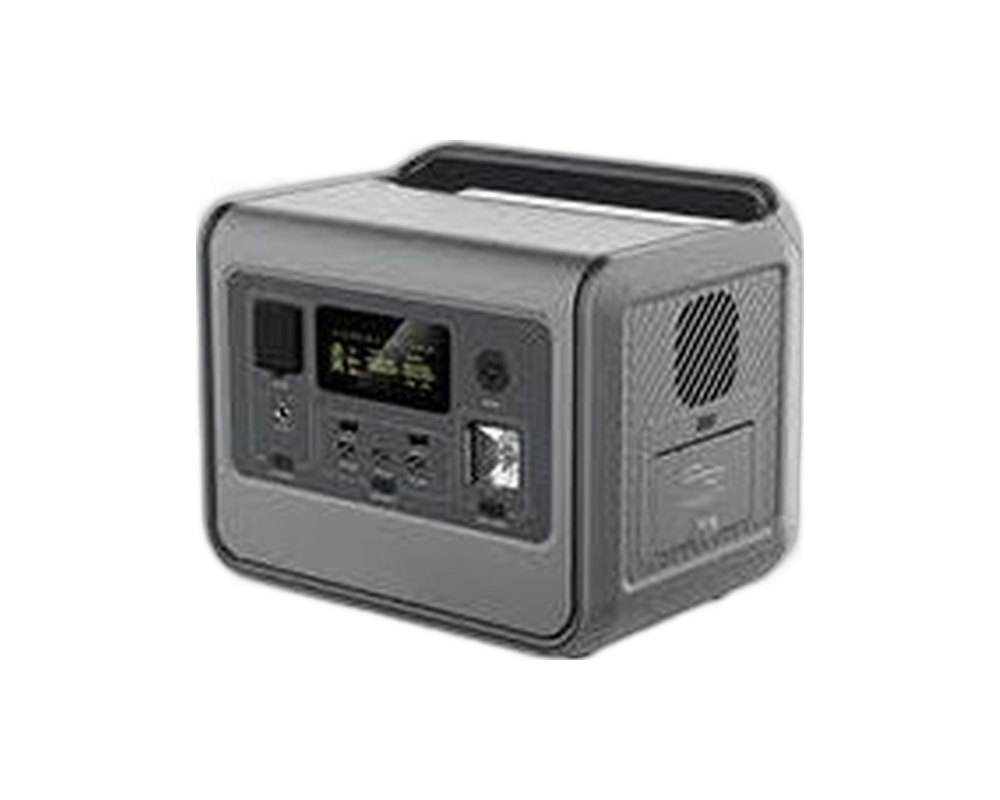
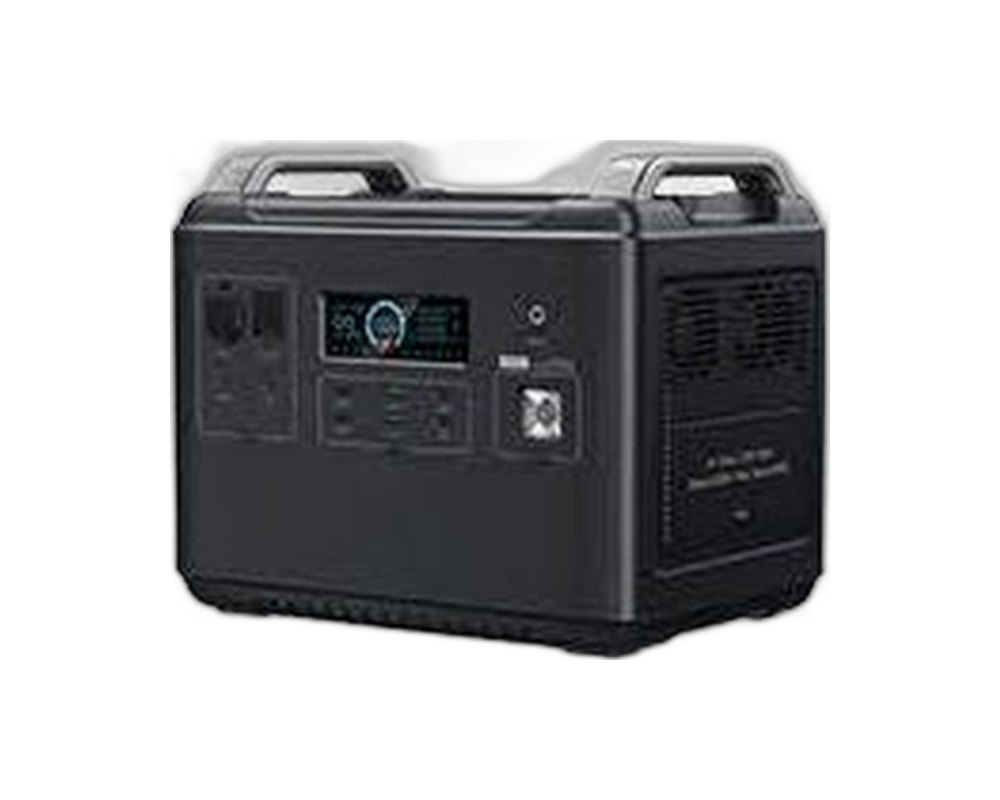
Buyers choose by two numbers: AC output power (which appliances it can run) and capacity (how long). EVE's range covers the full spread:
| Model | AC output | Capacity | Weight | Position |
|---|---|---|---|---|
| FA0210 | 200 W | 1,004.8 Wh | 8.3 kg | Compact 1 kWh, low-power loads, lighting and devices |
| MS08 | 800 W | 512 Wh | 6.5 kg | Entry level, camping and day trips |
| F1202 | 1,200 W | 1,024 Wh | 13 kg | Core 1 kWh model |
| F1203 | 1,200 W | 1,024 Wh | 11.5 kg | Lighter 1 kWh alternative |
| MS20 | 2,000 W | 2,048 Wh | 22 kg | 2 kWh home backup |
| MY22 | 2,200 W | 2,048 Wh | 23.6 kg | 2 kWh with fast AC charging |
| MY24 | 2,400 W | 2,048 Wh | 22 kg | 2 kWh, fast charging and expansion battery |
| MS36 | 3,600 W | 3,840 Wh | 42 kg | High power, job sites and large homes |
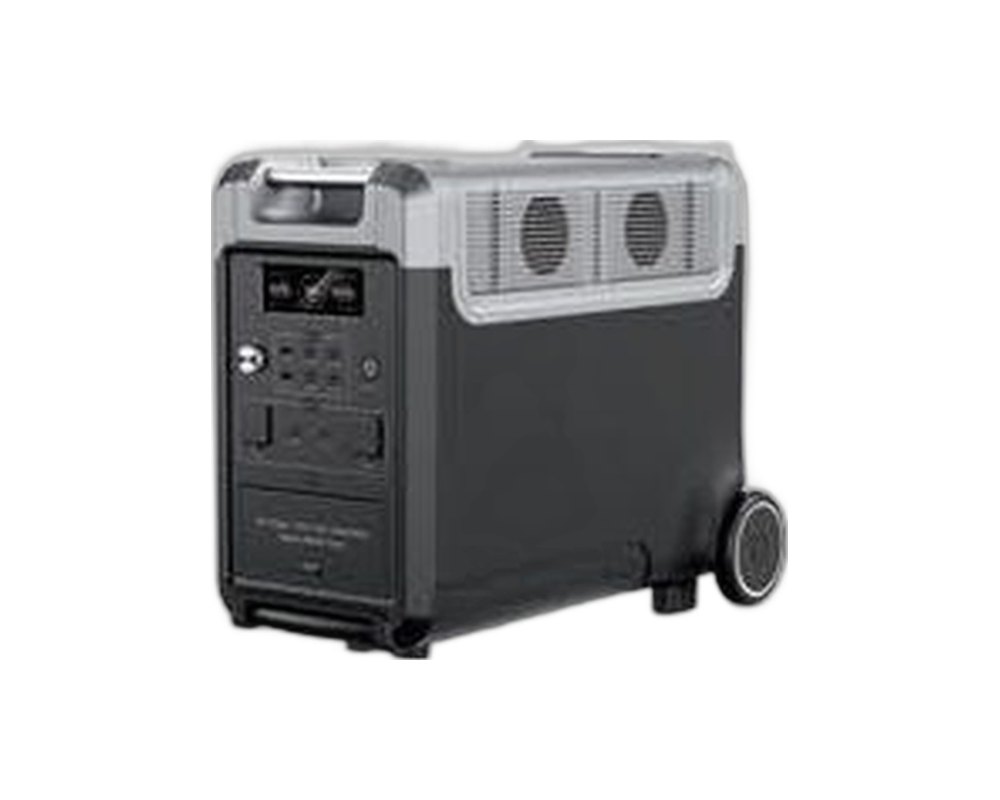
| MY40 | 4,000 W | 5,120 Wh | 53 kg | Flagship, wheeled, whole-home essentials |
A three-model launch range is a practical starting point: one compact unit (MS08 or FA0210), one 1 kWh unit (F1202 or F1203) and one 2 kWh unit (MY24 or MS20). Add the 4 kW class once the range sells.
How to explain runtime to your customers
Runtime is roughly capacity × inverter efficiency ÷ load. Assuming about 85% of rated capacity reaches AC loads, a 1,024 Wh unit runs a 150 W refrigerator for about 6 hours and a 60 W laptop and router for about 14 hours; a 2,048 Wh unit doubles that. Publish a runtime table for common appliances on your product pages: it answers the first question every buyer asks and reduces returns.
Step 2: choose the battery chemistry
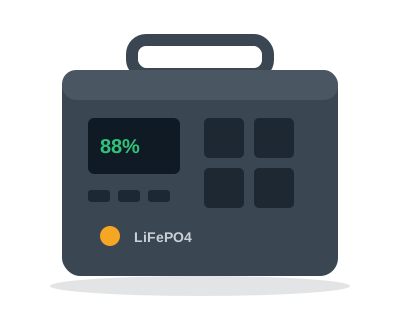
All EVE power stations use LiFePO4 cells, and the F1202 and MY22 use vehicle-grade LFP. LFP has become the standard for new power stations because it lasts far more charge cycles than NCM and is more thermally stable, which matters for a product used indoors and charged daily during outages. The trade-off is weight: NCM units are lighter per kWh. For a deeper comparison, see LiFePO4 vs NCM.
Step 3: decide what to customise
| Level | What changes | Impact on MOQ and lead time |
|---|---|---|
| Branding | Logo on housing, labels, user manual, gift box | Lowest; fastest route to market |
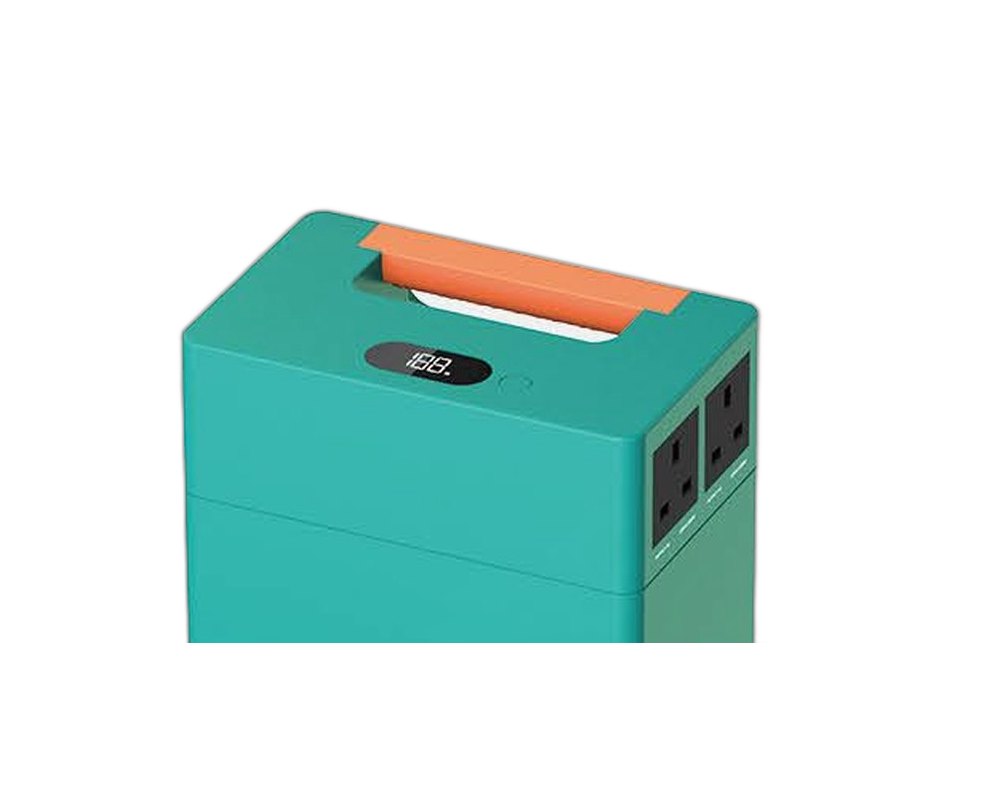
| Cosmetic | Housing colour, panel graphics, accessory bundle | Moderate; colour matching and new packaging |
| Accessories | Solar panels (100 W, 200 W or 400 W), car charging cable, carry bag, expansion battery | Depends on accessory; panels are offered across the EVE range |
| Functional (ODM) | Outlet configuration for a market, firmware settings, app branding | Higher; needs engineering review and possibly re-certification |
Outlet type is the one functional change almost every brand needs: plugs and voltages differ between the US, EU, UK, Australia and Japan. Confirm the outlet version and its certification before you place the order.
Step 4: certification by market
| Market | Typical requirements |
|---|---|
| All markets | UN38.3 for transport, SDS/MSDS |
| United States | UL safety listing (power stations are commonly evaluated to UL 2743), FCC for radio emissions |
| European Union | CE (LVD, EMC, RED if wireless), RoHS, EU Battery Regulation obligations for the importer |
| United Kingdom | UKCA |
| Japan | PSE |
| India | BIS |
| International schemes | CB test reports to support national approvals |
EVE's brochure shows UN38.3, CE, UKCA, FCC, UL, PSE and MSDS marks across the range, and the F1202 lists BIS, UN38.3, UL, RoHS, PSE and CB. Certificates belong to specific models and versions, so ask for the certificate and report that name the exact model and outlet version you are buying. Marketplaces such as Amazon also ask for test reports before listing.
Step 5: plan logistics
A power station is a lithium-ion battery contained in equipment and ships as UN3481, Class 9. By sea it travels as dangerous goods under the IMDG Code. By air, from 1 January 2026 batteries above 2.7 Wh packed with or contained in equipment must ship at no more than 30% state of charge under the IATA rules. Full details are in our guide to shipping lithium batteries. For marketplace warehouses, check their own lithium battery acceptance rules and labelling before shipping.
Step 6: run the project
- Brief: target markets, models, outlet versions, branding, accessories and first-year volume.
- Proposal: price per model, MOQ, lead time, certification status and customisation options.
- Samples: branded or plain samples for testing, photos and marketplace listings.
- Artwork approval: housing logo, labels, manual and packaging, checked against certification marking rules.
- Mass production and inspection: pre-shipment inspection of function, cosmetics, packaging and state of charge.
- After-sales: agree warranty terms, spare parts and how returned units are handled before launch.
Bottom line
Start with a small LiFePO4 range that covers compact, 1 kWh and 2 kWh buyers, customise branding and packaging first, and lock down certification and outlet versions for each market before ordering. Tell us your markets, models and volumes and we will reply with options, MOQ and lead time. See also our OEM / ODM page.
Frequently asked questions
What is the difference between OEM and ODM for power stations?
OEM usually means the existing product with your branding, colours and packaging. ODM adds design or functional changes, such as a new outlet configuration, firmware settings or app branding, and needs more engineering and testing time.
Which capacity sells best?
Ranges are usually built around a 1 kWh model for camping and short outages and a 2 kWh model for home backup, with a compact unit as an entry product. The best mix depends on your market and channel.
Do I need my own certificates?
Products need valid certificates for each sales market. Some can be issued for your brand based on the manufacturer's existing test reports; confirm what is needed with your quotation and your compliance adviser.
Can solar panels be included?
Yes. EVE offers optional 100 W, 200 W and 400 W solar panels across its power station range.
How are power stations shipped?
As UN3481 Class 9 dangerous goods. Sea freight is normal for volume orders; by air the batteries must be at no more than 30% state of charge.
More buyer guides
- How to build a 48V LiFePO4 battery pack (16S) with 280Ah or 314Ah cells
- LiFePO4 charging voltage guide: 12V, 24V and 48V settings, float, low-temperature charging and storage
- How long do LiFePO4 batteries last? Cycle life, calendar life and how to compare ratings
- How to size a commercial battery storage system for peak shaving: a step-by-step guide
- Grade A LiFePO4 cells: how to verify genuine EVE cells and avoid B-grade or refurbished stock
- LiFePO4 vs NCM: which lithium battery chemistry is right for your product?
- Replacing lead-acid with LiFePO4 in golf carts, forklifts and boats: sizing, charging and cell choice
- How to ship lithium batteries: UN38.3, Class 9 and the documents importers need
- How to read a lithium cell datasheet: capacity, C-rate, cycle life and the specs that matter
- 48V low-voltage vs high-voltage home batteries: how to choose and size a solar battery
- 314Ah vs 280Ah LFP cells: which to choose for energy storage
- 18650 vs 21700 cells for cordless power tools
- Li-SOCl₂ vs Li-MnO₂: choosing a primary battery for meters and IoT